Wooden Tree Bark Backgrounds: Bringing Organic Texture to Your Design Projects
The Authentic, Grounded Quality of Natural Wood
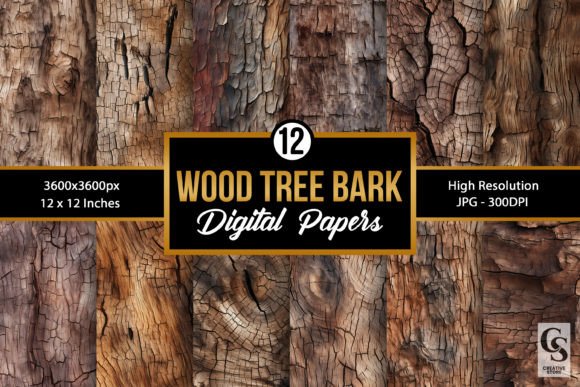
There is a specific kind of visual warmth that comes from natural materials, and few elements capture that feeling quite like wood. The Wooden Tree Bark Backgrounds collection taps directly into that aesthetic, offering a set of 12 seamless digital papers that replicate the intricate, rugged surface of tree bark. This isn't just about showing a picture of a tree; it is about translating the visual weight and tactile history of nature into a digital format. The style here leans heavily into an organic, slightly rustic personality. You will notice the deep grooves, the subtle variations in color, and the irregular textures that make real wood so compelling.
For designers and brand strategists, using a texture like this communicates honesty and durability. When you integrate these Wooden Tree Bark Backgrounds into a project, you are moving away from sterile, flat digital environments and grounding your work in something real. It is a powerful tool for creating a specific mood—one that feels established, earthy, and trustworthy. Whether you are working on a logo that needs to feel "rooted" or a social media campaign that requires a natural backdrop, this collection provides the visual foundation to make that happen effectively.
Practical Applications for Entrepreneurs and Crafters
The versatility of a high-quality texture set cannot be overstated, especially when the files are provided at 300dpi and sized at 3600 x 3600 pixels. This resolution makes the Wooden Tree Bark Backgrounds suitable for both digital screens and physical print products. For small business owners focused on packaging design, these textures are invaluable. Imagine using the bark pattern as a wrap for artisanal products, candles, or outdoor gear. It instantly aligns the product with nature and craftsmanship without needing complex illustration work.
Beyond commercial packaging, the applications for personal and stationery projects are extensive:
- Scrapbooking and Journaling: The seamless nature of the patterns allows for large, uninterrupted backgrounds in digital planners or physical scrapbooks, adding depth to photos without overwhelming them.
- Greeting Cards and Invitations: For events like weddings in a forest setting or rustic birthday parties, these papers provide a perfect, print-ready backdrop.
- Tumbler Wraps and DIY Projects: The texture holds up well even when applied to curved surfaces like tumblers or notebook covers, maintaining its realistic appearance.
- Web Design and Backgrounds: For blogs or websites focused on eco-tourism, hiking, or sustainable living, these files serve as excellent, non-distracting backgrounds that reinforce the site's theme.
Integrating Texture into Modern Typography and Branding
When working with a strong visual element like the Wooden Tree Bark Backgrounds, the relationship between the texture and your typography is critical. Because the bark is naturally complex and busy, it demands a thoughtful approach to visual hierarchy. If you place a delicate, thin serif font or a busy handwritten font directly over the busiest part of the texture, you risk losing readability. This is where your skills as a designer or content creator come into play.
I recommend pairing these backgrounds with bold, clean typefaces. A sturdy sans serif font often works best here, as the geometric simplicity of the letters contrasts beautifully with the organic chaos of the tree bark. This contrast ensures that your message remains the focal point while the texture enhances the atmosphere. For brand identity projects, consider using the bark texture as a secondary asset—perhaps for business card backgrounds or letterhead borders—while keeping the primary logo on a clean, solid color to ensure maximum professionalism.
Evaluating Fit and Maximizing Your Asset Library
As with any design assets, the key to success lies in evaluation and testing. Before committing to a specific direction, take the time to test how the Wooden Tree Bark Backgrounds interact with your specific color palette. The collection offers variety, so look for the bark tone that best complements your brand colors—whether you need a dark, moody oak for a luxury feel or a lighter birch for something more airy and Scandinavian-inspired.
When preparing files for print, remember that the 300dpi specification is your friend. It ensures that the texture remains crisp and the "grain" of the wood is visible, even on larger formats like wall art or posters. For editorial design, such as magazine layouts or book covers, these textures can add a layer of sophistication to chapter headers or pull quotes. The goal is to use the texture to support the content, not compete with it. By treating these backgrounds as a versatile component of your modern typography