Unicorn Dust Backgrounds: Elevating Your Creative Projects
Finding the right background for a design project is often the unsung hero of the creative process. It sets the stage, dictates the mood, and can either make your foreground elements pop or cause them to disappear. If you're a designer, entrepreneur, or content creator, you know the hunt for that perfect, high-quality texture or pattern can be time-consuming. This is where a resource like Unicorn Dust Backgrounds steps in, offering a specific aesthetic that’s both whimsical and versatile.
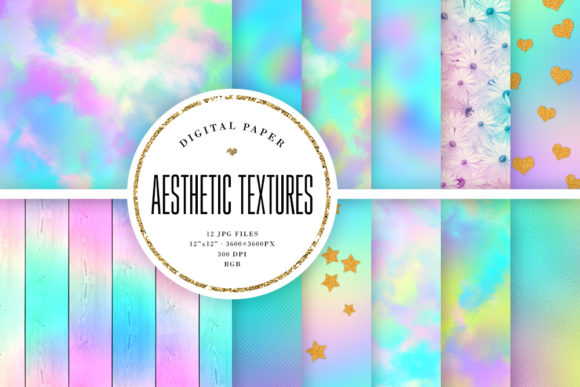
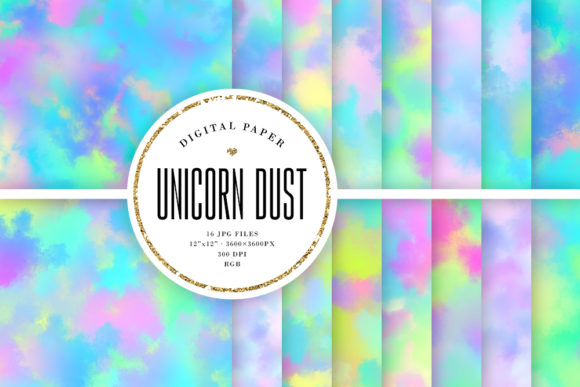
So, what exactly is this asset? At its core, Unicorn Dust Backgrounds is a collection of 16 JPG files. But the magic is in the details. Each file boasts a substantial 3600×3600 pixel dimension, which translates to a crisp 12″x12″ print size at 300 DPI. This isn't just a web-optimized graphic; it's a design asset built for serious, professional output. The color mode is RGB, perfect for digital screens, and the high resolution ensures it holds up beautifully for printed materials like posters, cards, or packaging.
The visual personality of these backgrounds is immediately apparent. They evoke a sense of fantasy, softness, and ethereal beauty. Think swirling pastels, subtle sparkles, and a dreamy, almost magical gradient effect. This style isn't about loud, overwhelming patterns. Instead, it provides a gentle, textured canvas that suggests imagination and wonder. It’s a creative font for your background layer, if you will—a type of visual typography that speaks in soft tones and shimmering hues.
Where This Style Truly Shines
The appeal of a Unicorn Dust aesthetic is broad, but its strength lies in specific applications where mood and emotion are key. For brand identity, it’s a fantastic choice for businesses targeting a feminine, youthful, or whimsical audience. Imagine a boutique bakery, a children’s party planner, a wellness brand focusing on mindfulness, or a creator selling handmade jewelry. The background instantly communicates a certain charm and care.
In the realm of publishing and editorial design, these backgrounds can transform a simple book cover or magazine spread. They work exceptionally well for fantasy novel covers, poetry collections, or lifestyle magazine features on topics like self-care or creativity. The soft texture adds depth without competing with the typography or central imagery, aiding in creating a clear visual hierarchy.
Digital creators will find endless uses. As a backdrop for social media graphics, it makes announcements, quotes, and sale promotions feel more special and less generic. For web design, it can be used as a full-page background for a landing page, a section divider, or a subtle texture behind text blocks to add visual interest. The key is using it in a way that enhances readability rather than hindering it—often by placing semi-transparent overlays or solid-color panels over the busiest parts of the pattern.
Making It Work: Practical Application Tips
Choosing to use a resource like this is one thing; using it effectively is another. Here’s how to integrate it seamlessly into your workflow.
First, evaluate the project fit. Does the brand or message align with a soft, magical, or playful tone? If you're designing for a corporate law firm, this might not be the right background. But for a indie game developer, a child's birthday party invitation, or a podcast about fairy tales, it’s a perfect match. The font pairing you choose will be critical. A clean, modern sans serif font for body text can provide excellent contrast and ensure legibility, while a more decorative script font or handwritten font for headlines can lean into the whimsical style.
Test the backgrounds with your actual content. Place your logo, text blocks, and images on top. Does the background distract or support? You may need to adjust the opacity or add a gradient overlay to ensure your main message is front and center. The beauty of having 16 variations is the flexibility to find the exact shade and intensity that works for your composition.
From a practical standpoint, the specifications are a dream for printers. The 300 DPI resolution and 12″x12″ print dimension mean you can use these for physical products without worrying about pixelation. Think greeting cards, art prints, notebook covers, or even fabric patterns for small-scale production. The commercial license typically included with such assets means you can use them in projects you sell, which is a huge advantage for small business owners and entrepreneurs.
Ultimately, Unicorn Dust Backgrounds are more than just pretty pictures. They are a premium font for your project's foundation—a specialized tool for evoking a specific feeling. They provide consistency across a campaign, help build recognition for a certain brand aesthetic, and save hours of time that would otherwise be spent creating similar textures from scratch. By understanding their strengths and applying them thoughtfully, you can add a layer of professionalism and enchantment to your work that truly resonates with your audience.